What Planning a Retreat for 189 People Taught Us About Connection
A four-day company retreat designed to bring a growing hybrid team together in Canmore, Alberta
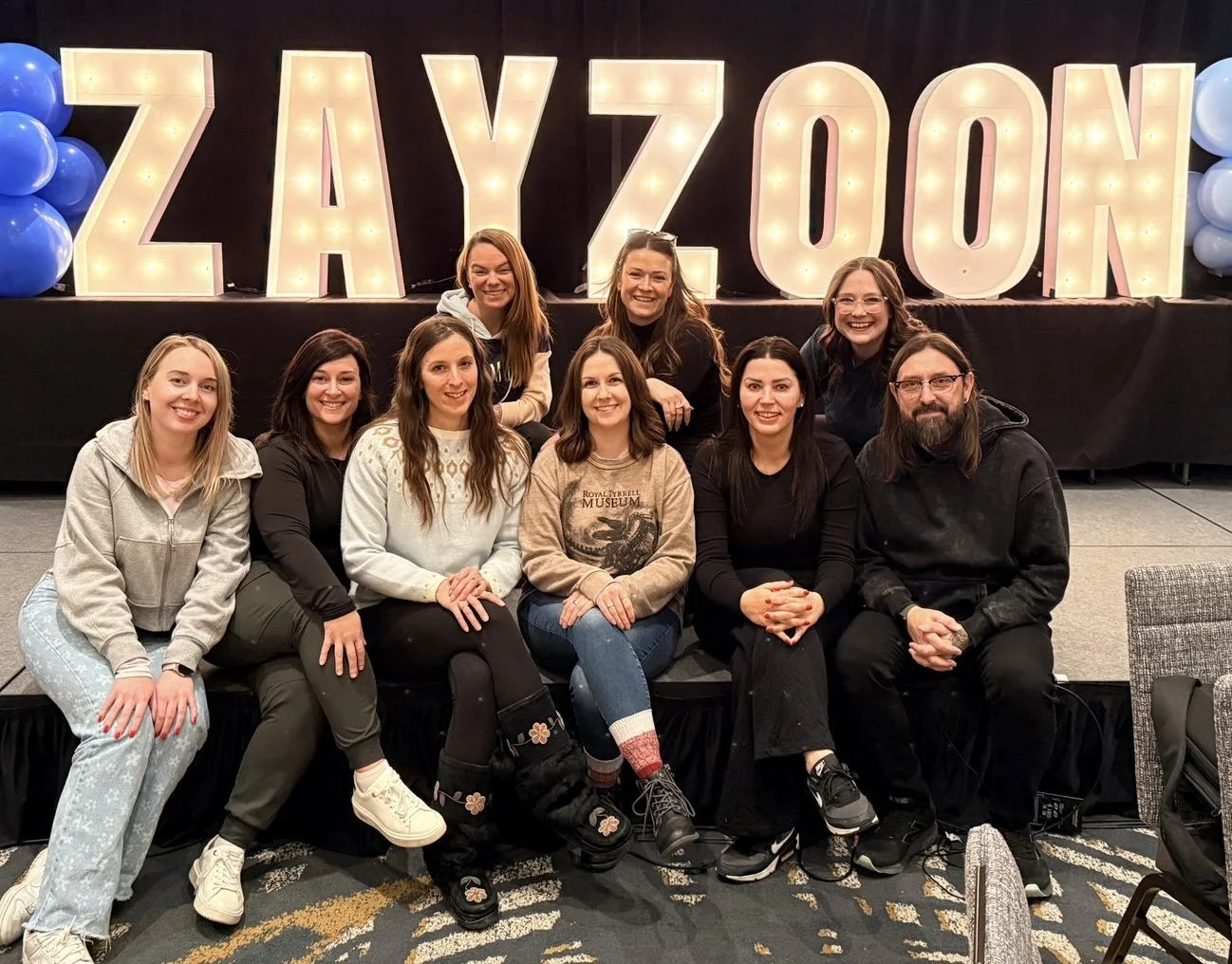
For a company operating within a virtual and hybrid working model, bringing 189 people together was about much more than choosing a beautiful destination.
It was an opportunity to strengthen relationships, recognize what the team had accomplished and create renewed excitement about where the company was heading next.
Team Retreats Canada planned and coordinated a four-day, three-night corporate retreat for ZayZoon at the Coast Canmore Hotel in the Canadian Rockies. Every element of the program was designed around one central goal: creating meaningful opportunities for people to connect.
The Retreat at a Glance
Client: ZayZoon
Location: Canmore, Alberta
Venue: Coast Canmore Hotel
Attendance: 189 guests
Duration: Four days and three nights
Team model: Virtual and hybrid workforce
Focus: Connection, recognition, engagement and future alignment
The Challenge
In a growing virtual or hybrid company, employees may work together regularly without having spent meaningful time together in person.
When nearly 200 people arrive with different personalities, interests, comfort levels and expectations, connection cannot be left to chance. Some guests will introduce themselves to everyone in the room before breakfast. Others need a more natural reason—and considerably more caffeine—to begin a conversation.
The retreat needed to create space for both.
It also needed to balance company programming with celebration, activity, creativity and genuine downtime. A successful experience could not rely on one mandatory activity and assume it would resonate with every attendee.
Creating a Retreat That Belonged to the Team
One of the most valuable decisions was creating a private environment for the group.
A full-property experience meant that everyone onsite was part of the retreat. Guests were not continually trying to distinguish coworkers from vacationers, and shared spaces became natural places for conversation.
For team members who may have felt uncertain about approaching someone new, this removed an important social barrier. Connection could happen throughout the property—not only during scheduled sessions.
Breakfast, downtime and the moments between activities became part of the retreat experience.
Programming for Different People and Different Needs
Not everyone arrives at a corporate retreat needing the same thing.
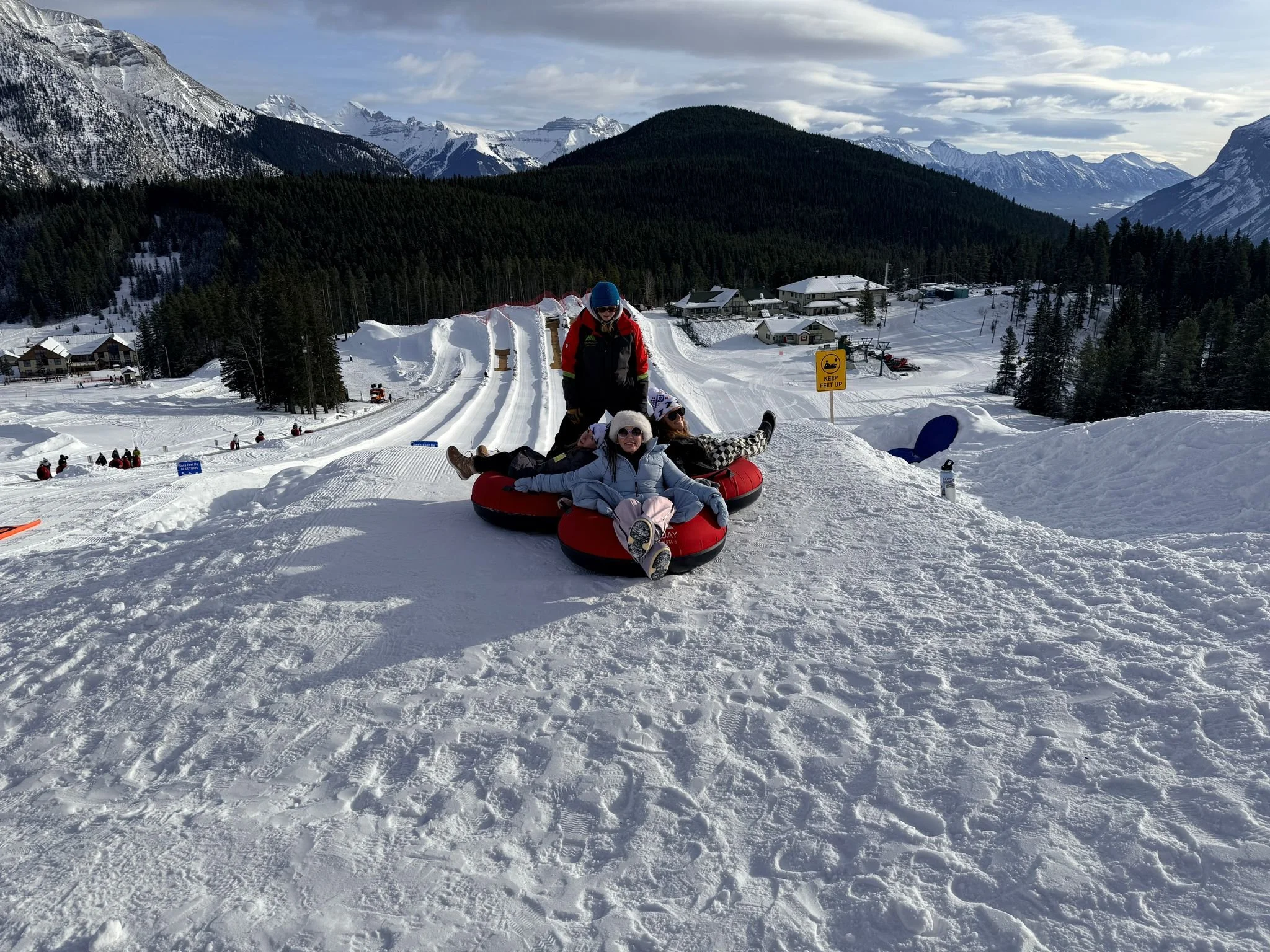
Some attendees may need movement, adventure or a new challenge. Others may need creativity, calm, wellness or simply a moment to reset after an intense period of work.
The program incorporated a variety of experiences across outdoor, physical, creative and restorative categories. This allowed guests to participate in something that felt genuinely valuable to them rather than forcing every personality into the same version of team building.
Changing the format and energy of the activities also helped employees discover colleagues with similar interests. Those shared experiences created natural starting points for relationships that could continue after everyone returned to work.
Recognition Before Looking Forward
A year moves quickly inside a growing company.
An accomplishment that felt significant when it happened can disappear beneath the next deadline, meeting or project. The retreat created space to bring those achievements back into focus and recognize the people responsible for them.
Celebrating company milestones and individual contributions allowed employees to see that their work had been noticed and that it mattered.
From there, the conversation could turn toward future goals. After reflecting on what the team had already achieved, attendees were able to approach the company’s next chapter with renewed energy, confidence and a stronger sense of shared purpose.
Our Role
Team Retreats Canada supported the planning and coordination of the retreat experience, including:
Venue and accommodation coordination
Retreat strategy and program development
Activity and experience planning
Food and beverage coordination
Transportation and guest logistics
Vendor and partner management
Detailed itinerary and schedule development
Team communications and planning support
Onsite retreat coordination
Contingency planning and real-time problem-solving
With 189 attendees and multiple program components taking place across four days, the retreat required more than a beautiful itinerary. It required careful sequencing, clear communication and a team prepared to manage the details behind the scenes.
The Result
The retreat gave a distributed team the opportunity to experience its company culture in person.
Employees were able to celebrate what they had built, connect beyond their regular roles and routines, and participate in experiences that reflected different personalities and needs.
The most important lesson was simple: meaningful connection cannot be manufactured through one activity or one evening.
It is created through the entire environment—the location, the flow of the program, the variety of experiences and the small moments that make people feel comfortable enough to participate.
That is what thoughtful retreat planning makes possible.
Planning a Retreat for Your Team?
Whether you are bringing together a leadership group or several hundred employees, Team Retreats Canada manages the strategy, logistics and onsite production required to create a retreat that feels purposeful from beginning to end.